.png)

Featured
Noticias
read time
Read through for an excerpt from our recently published article in AgFunderNews:
Gene editing is rapidly expanding beyond row crops into specialty crops, animals, and microbes, says Pairwise, which has seen a “dramatic uptick” in licensing deals for its Fulcrum platform over the past 12-18 months and now has 25 licensees covering more than 30 species.
Unlike transgenic plants—which are classified as GMOs as foreign DNA from another species is introduced—gene editing involves tinkering with species’ native genes, which eases the regulatory pathway in a growing number of markets and can deliver speed and precision, two potential gamechangers in breeding, says COO Ian Miller, PhD.
“We’re really enthusiastic about the direction that the regulatory environment is going worldwide,” adds Miller, who says Pairwise is seeing growing interest in Europe now that the EU has enshrined a new, simpler regulatory framework for plants made using new genomic techniques.
“I think there’s an understanding that in many cases, what comes out from gene editing is equivalent to conventional breeding because we’re working within the plant’s own genes. The beauty of gene editing is that if it sits somewhere in the gene pool, you can bring it to bear for a problem.”
Featured in AgFunder: Pairwise sees ‘dramatic uptick’ in CRISPR licensing as gene editing moves beyond row crops
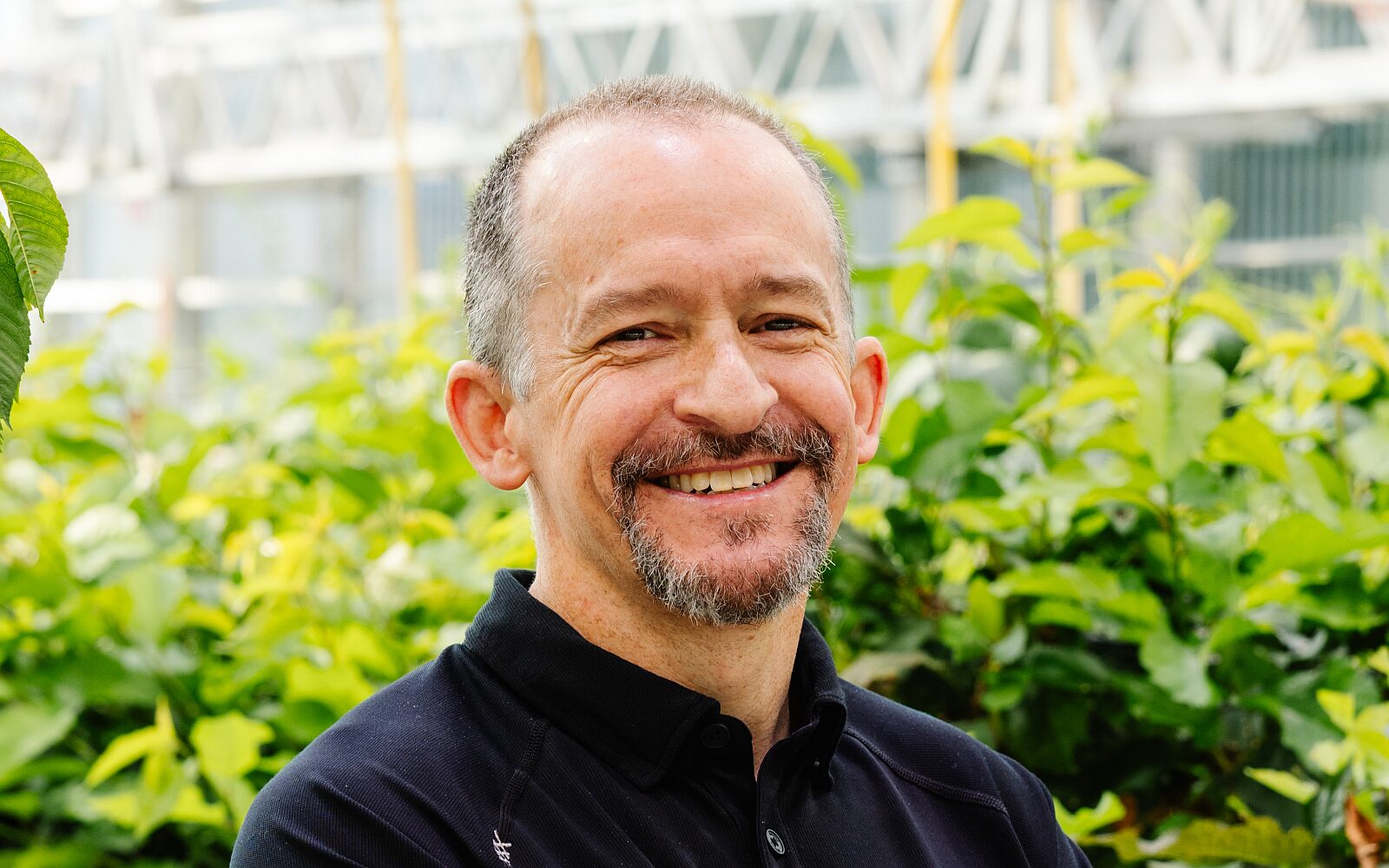
Ian Miller: "You don’t have to get multiple licenses. We’re offering one-stop shopping."
Read more

Featured
Noticias
read time
Read through for an excerpt from our recently published article in WIRED:
If you wanted to create better blackberries, you could try to breed a variety without the seeds that get stuck in your teeth. Or one without the thorns that make the berries hard to pick. Or you could aim for more environmentally efficient plants that produce more berries per acre with less water and fewer chemicals.
With decades of work and a fair amount of luck, you might achieve one of those goals.
But a North Carolina startup called Pairwise is using the gene-editing technology called Crispr to try to achieve all those goals at once, crafting seedless, thornless, higher-yielding blackberry plants—and in a matter of years rather than decades.
That’s the promise of modern genomics: introducing speed, precision, and the ability to solve multiple problems at once to the glacially slow, haphazard, one-tweak-at-a-time world of crop breeding.
Feaured in WIRED: Seedless Blackberries and Cherries That Grow on Bushes Vie to Be the Future of Food
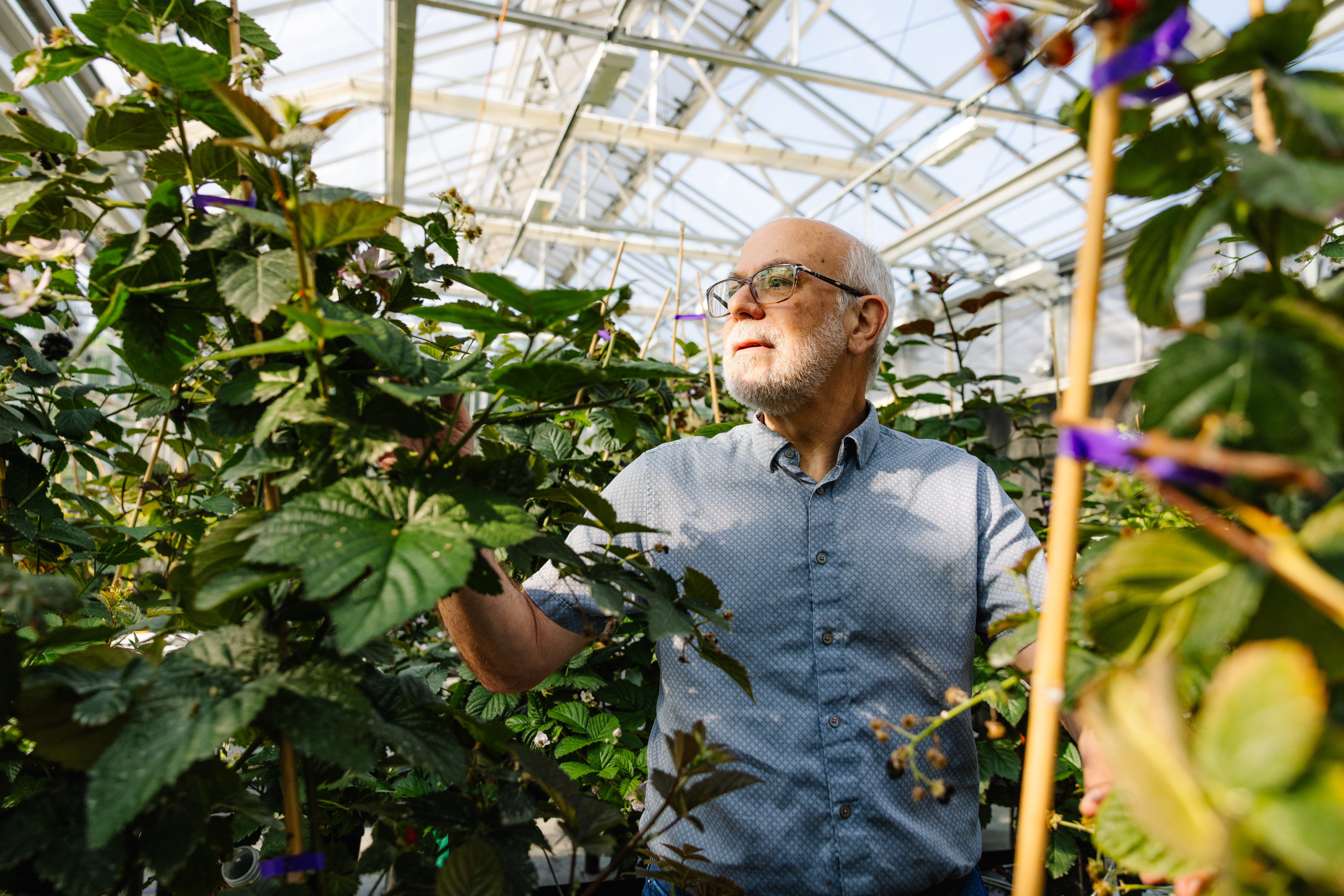
Journalist Michael Grunwald visited Pairwise for WIRED, taking a close look at our work on seedless blackberries and compact cherry trees.
Read more
.png)
Featured
Noticias
read time
ST. LOUIS, MO. and DURHAM, NC, June 23, 2026 — Pairwise, a global innovator in agriculture, today announced a licensing agreement with Agragene, a sustainable agricultural technology company developing biological crop pest protection, granting access to Pairwise's Fulcrum® CRISPR platform.
Agragene will integrate Fulcrum® tools into the development of its Precision-Guided Sterile Insect Technology (pgSIT), which produces sterile male insects for proactive control of pest populations, increasing yields for growers. Agragene's first product (KNOCKOUT™ SWD) targets spotted wing drosophila (SWD), an invasive fly responsible for more than $1billion annually in losses to U.S. and Canadian berry, cherry, and other soft fruit crops. Because the technology is highly species-specific, it suppresses only the target pest, leaving crops, beneficial insects such as bees and ladybugs, and the surrounding environment unaffected.
“Growers are running out of options as pests develop resistance to conventional insecticides, and they are looking for tools that are safe, targeted, and sustainable,” said Bryan Witherbee, President and CEO of Agragene. “Our mission is to deliver cleaner pest control that supports healthier crops and a healthier planet. Access to Fulcrum® strengthens the editing technology behind our pgSIT platform and helps us move faster from field trials towards practical tools growers can use.”
“Pairwise works across all of agriculture, which means partnering with people closest to the problems,” said Dr. Tom Adams, CEO of Pairwise. “Agragene is the first to apply Fulcrum® in insect systems, and it's exactly the kind of creative use we hoped good tools would find."
The Pairwise Fulcrum® platform includes proprietary CRISPR editing tools, enzymes, and trait libraries that enable precise genetic changes. Pairwise developed and proved the platform in its own breeding programs and makes it available to partners and licensees worldwide for research and commercial purposes.
About Agragene
Agragene is a sustainable agricultural technology company based in St. Louis, Missouri, developing biological crop pest protection products. Using Precision-Guided Sterile Insect Technology (pgSIT), a CRISPR-based platform, Agragene provides sterile male insects to reduce and control pest populations while reducing reliance on traditional insecticides. Founded in 2017, the company is pursuing commercial product launch in the U.S. and a licensing strategy worldwide. For more information, visit www.agragene.com
About Pairwise
Pairwise is agriculture's gene editing powerhouse, building a healthier world through partnership and plant innovation. Co-founded by early pioneers of CRISPR, Pairwise's Fulcrum® Platform accelerates the development of climate-resilient, nutritious, and sustainable crops. As a trusted partner to global industry leaders and nonprofit institutions, Pairwise helps breeders move faster while transforming food and agriculture for farmers, consumers, and the planet. Founded in 2017 and based in Durham, NC, Pairwise is committed to delivering innovation that makes food easier to grow and better to eat. For more information, visit www.pairwise.com.
Agragene Licenses Pairwise's Fulcrum® Platform to Support Cleaner Pest Control
Agreement marks the first application of Fulcrum® technology in insects, supporting proactive & effective pest control
Read more
