How does CRISPR gene editing work
CRISPR uses a guide molecule to find a specific location in a plant's genome and an enzyme to make a small, precise change there. The plant's natural repair process then completes the edit, resulting in the desired trait.
More questions
How is Pairwise using CRISPR to develop new crops?+
Pairwise identifies the right gene for a target trait, then develops and tests a range of edits across different genetic backgrounds. What it learns in one crop, like blackberry, is applied to the next, like cherry and peach.
Is CRISPR-edited food safe to eat?+
Gene-edited crops are developed and tested through regulatory processes that evaluate their safety. Pairwise's leafy greens were the first CRISPR food available in North America.
Can CRISPR help reduce food waste?+
Traits such as seedless and pitless fruit, longer seasons and more efficient harvesting can help reduce waste across the food chain, from the field to processing and the consumer's kitchen.
Can CRISPR improve the taste and quality of food?+
Yes. Pairwise has used gene editing to remove the typical pungency from mustard greens and to develop consistently sweet, seedless blackberries, making food more enjoyable to eat.
Can CRISPR make crops more resilient to climate change?+
Yes. Gene editing can help crops cope with less predictable growing conditions, for example through short-stature corn that is better protected against crop loss from extreme winds and severe weather.
What are the benefits of CRISPR for agriculture?+
CRISPR can shorten trait development from more than 15 years with traditional breeding to a much faster timeline. It helps create crops that are more productive, more resilient and easier to grow and harvest.
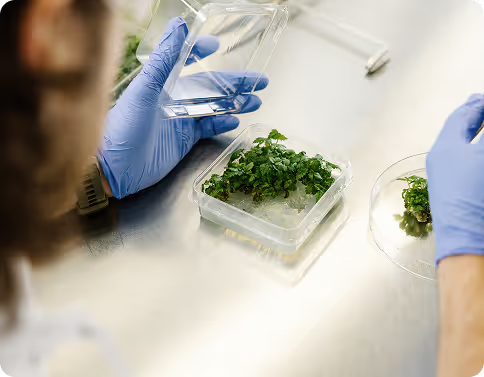
Pairwise is pioneering the application of CRISPR technology in food and agriculture.

